Most people picture rooftop panels when they think about solar power, but sunlight can do a lot more than lower a utility bill. From heating water to powering remote equipment, solar energy shows up in more places every year. Here is how solar power works and the most practical ways homeowners, businesses, and outdoor lovers in Utah can put it to work.
How Does Solar Power Work?
Solar panels are made of photovoltaic (PV) cells. When sunlight strikes a cell, it knocks electrons loose and creates an electric current. That current is direct current (DC), so an inverter converts it into the alternating current (AC) used in homes and businesses. The U.S. Department of Energy has a helpful overview of the technology if you want to go deeper.
Solar thermal systems work differently. Instead of making electricity, they capture the sun’s heat directly, which is useful for heating water or air.
1. Powering Your Home
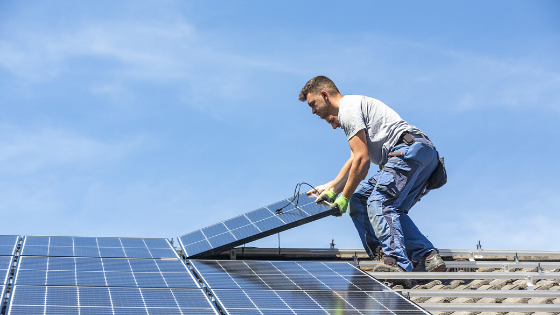
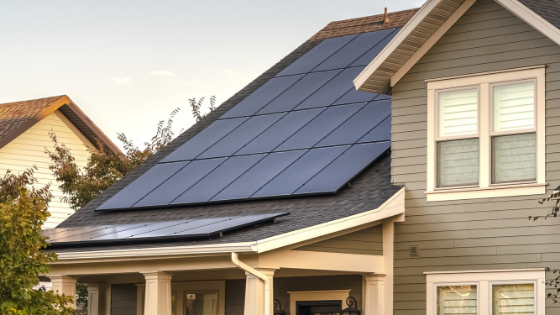
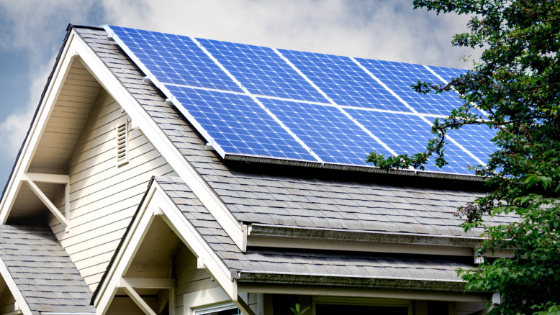
The most common use for solar is running a home. A rooftop or ground-mounted system produces electricity during the day to run your lights, appliances, heating and cooling equipment, and electronics. Utah’s high elevation and sunny climate make it a strong place for solar, and panels keep producing through the winter, too. See our post on whether solar panels work in the winter.
2. Powering Businesses, Farms, and Large Sites
Solar is not just for houses. Offices, warehouses, retail buildings, farms, and utility-scale projects use solar to cut operating costs and lock in part of their energy supply. Commercial systems can go on flat roofs, carports, or open land. Learn more in Should Your Business Get Solar Panels?
3. Charging Electronics on the Go
Portable solar chargers and solar generators are great for Utah’s outdoor lifestyle. Whether you are camping in the Uintas, at a trailhead in the Wasatch, or on a long road trip through southern Utah, a portable panel can keep phones, GPS units, laptops, and lights charged without a gas generator.
4. Heating Water
Solar water heaters use collectors on the roof to warm water before it reaches your tank. They can reduce the gas or electricity your water heater uses. In cold climates like northern Utah, systems need freeze protection, so design matters. ENERGY STAR’s solar water heater guide explains freeze protection options for colder climates.
5. Earning Credit for Extra Energy
When a grid-tied system produces more electricity than you are using, the extra power flows back to the grid. In Utah, Rocky Mountain Power customers who install new systems receive bill credits for exported energy under net billing. The credit rates are listed in Rocky Mountain Power Schedule 137 and are updated annually. Using more of your solar power on site, or storing it in a battery, usually gives you the most value.
6. Backup Power During Outages
Pair solar panels with a battery and you can keep essential circuits running when the grid goes down. Refrigerators, furnace fans, medical devices, Wi-Fi, and lights can stay on during winter storms or summer wildfire-related outages. Read how renewable energy can help you prepare for an emergency.
7. Remote Power Where There Are No Power Lines
Running utility lines to a remote cabin, well pump, livestock tank, or gate can be expensive. A small off-grid solar system with batteries can power these sites on its own. Learn the differences in our guide to on-grid and off-grid systems.
8. Outdoor and Landscape Lighting
Solar path lights, security lights, and sign lighting charge during the day and switch on at dusk with no wiring needed. They are an easy, low-cost way to try solar around your property.
9. Lowering Your Carbon Footprint
Solar panels produce electricity without burning fuel, so they do not create air pollution or carbon emissions while they operate. Replacing some of your grid power with solar is one of the most direct ways a household or business can reduce its environmental impact. Read more in How Do Solar Panels Affect the Environment?
Which Solar Use Is Right for You?
For most Utah homeowners and businesses, the biggest impact comes from a grid-tied rooftop or ground-mounted system, with a battery if backup power matters to you. Explore our residential, commercial, and utility-scale solar services to see what we install.
Talk to a Local Utah Solar Team
Rocky Mountain Renewable Energy has been designing and installing solar systems for Utah homes and businesses since 2010, from our office at 778 Parkway Dr in North Salt Lake. If you would like straight answers for your own property, request a free quote or call us at 801-980-0700.