Solar panels can be a smart long-term investment for a Utah home, but the best results come from planning. Before you sign a contract, it pays to look at your roof, your energy use, your budget, and the current incentive landscape. Here are the key things to consider before investing in solar panels.
1. Which Direction Your Roof Faces
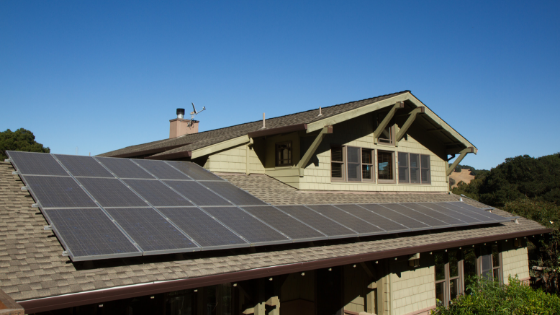
In the Northern Hemisphere, south-facing roofs usually produce the most solar energy. Southeast- and southwest-facing roofs also perform well. East- and west-facing roofs can still work, especially if they are unshaded, though they produce somewhat less. Panels make power from daylight, not just direct sun, so they keep producing on hazy days, but more sunlight means more output. If your roof is not a good fit, a ground-mounted array may be an option.
2. Shade From Trees, Chimneys, and Neighboring Buildings
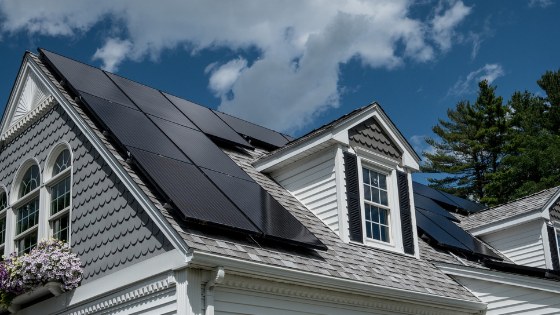
Shade is one of the biggest factors in solar performance. Look at how much shade your roof gets throughout the day and across the seasons. In Utah, the low winter sun can make shadows from trees, chimneys, and nearby mountains or buildings much longer in December than in June. A professional site assessment will map shade and help decide where panels should go. Modern equipment such as microinverters or optimizers can also reduce the impact of partial shading.
3. Roofing Material
Most common roofing materials work well with solar:
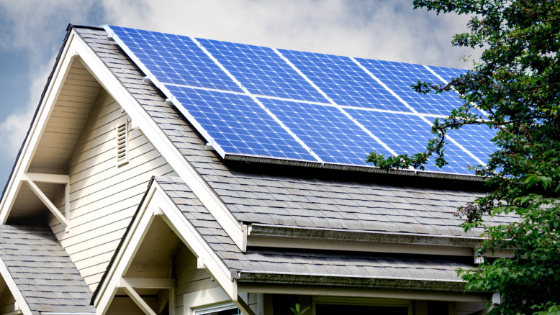
- Asphalt shingles, the most common in Utah, are straightforward to mount on.
- Metal roofs, especially standing seam, often allow clamp-on mounting without roof penetrations.
- Concrete and clay tile can be used with specialized mounts.
- Flat roofs with TPO, EPDM, or PVC membranes can use ballasted or attached racking.
Brittle materials like slate and wood shake are harder to work on and may require specialized hardware, which can add cost.
4. Roof Age and Condition
Solar panels are built to last for decades. If your roof is near the end of its life, it often makes sense to replace it before installing solar so you are not paying to remove and reinstall the panels later. Have the roof inspected and ask your installer to check its condition during the site visit. Utah’s snow loads and freeze-thaw cycles make a solid roof and proper flashing especially important.
5. Your Energy Use
Gather 12 months of Rocky Mountain Power bills. Your annual usage, and when you use the most power, guide the right system size. If you plan to add an electric vehicle, heat pump, or home addition, mention it now so the system can be sized for your future needs.
6. How Utah Net Billing Works
New Rocky Mountain Power solar customers in Utah are on net billing. You get a bill credit for excess energy you send to the grid at export rates listed in Rocky Mountain Power Schedule 137, which are updated each year. Because exported energy is typically credited at a lower rate than what you pay for grid power, it usually makes sense to size the system around your own use. Some homeowners also add a battery to store extra daytime production.
7. Incentives Have Changed
The federal residential solar tax credit (Section 25D) is no longer available for homeowner-owned systems installed after December 31, 2025, according to IRS guidance. If you are reading older articles that mention a 30% homeowner tax credit, that information is out of date for new installations. Check with a tax professional about your situation, and ask your installer about any current utility or local programs.
8. Financing Options
Paying cash typically gives you the lowest lifetime cost. Solar loans let you spread payments out, and leases or power purchase agreements may be available through third parties. Compare the total cost of each option, not just the monthly payment.
9. Choosing an Installer
- How long have they been in business in Utah?
- Are they licensed and insured?
- What warranties cover the panels, inverters, and workmanship?
- Who handles permitting and the Rocky Mountain Power interconnection?
Rocky Mountain Renewable Energy has served Utah since 2010. See our services, browse our FAQ, or read whether solar panels increase property value.
Talk to a Local Utah Solar Team
Rocky Mountain Renewable Energy has been designing and installing solar systems for Utah homes and businesses since 2010, from our office at 778 Parkway Dr in North Salt Lake. If you would like straight answers for your own property, request a free quote or call us at 801-980-0700.