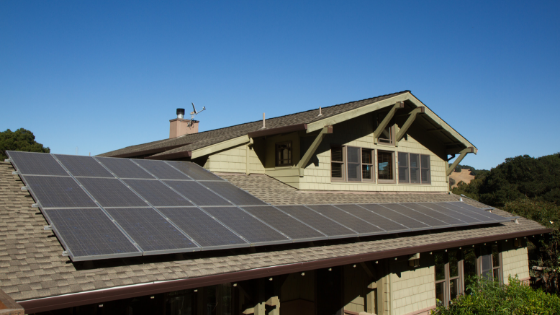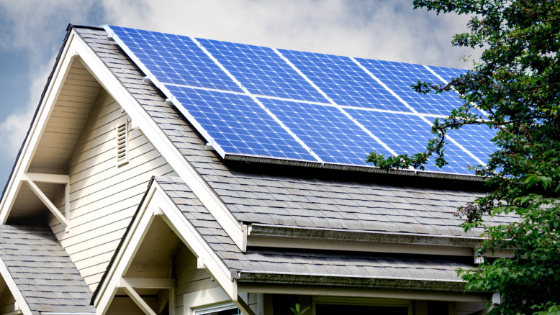
More Utah homeowners and businesses are adding solar panels every year, and for good reasons. Solar can lower your electric bills, reduce pollution, and give you more control over your energy. Here are seven practical reasons to consider solar power for your Utah home or business, along with a few things that have changed recently.
1. It Is Clean, Renewable Energy
Solar panels turn sunlight into electricity without burning fuel, so they produce no air pollution or greenhouse gas emissions while operating. Manufacturing panels does have an environmental footprint, but over a system’s life, solar is among the cleanest ways to produce electricity. For a closer look, read How Do Solar Panels Affect the Environment? Along the Wasatch Front, where winter inversions highlight how much air quality matters, many residents see clean energy as an investment in their community.
2. Lower Monthly Electric Bills
Every kilowatt-hour your panels produce and you use at home is one you do not have to buy from Rocky Mountain Power. How much you save depends on your system size, roof, energy use, and utility rates, so we size each system around your actual 12 months of usage instead of promising a generic number. You can check current national and state electricity price data from the U.S. Energy Information Administration.
3. Credit for Extra Power You Send to the Grid
When your panels produce more than you are using, the extra power flows back to the grid. Under Utah’s net billing program, Rocky Mountain Power credits that exported energy at rates listed in Rocky Mountain Power Schedule 137. Those rates are updated each year. Because exported energy is usually worth less than the power you buy, a system sized to your own use, possibly with a battery, tends to deliver the most value.
4. Utah Is a Great Place for Solar
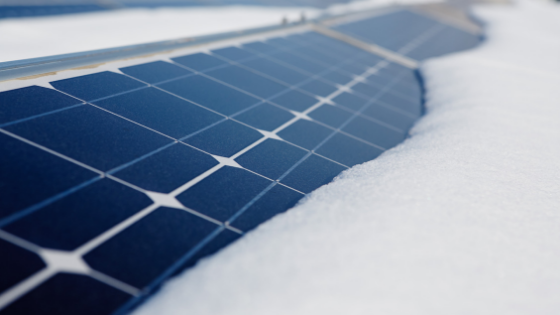
Utah’s high elevation and sunny climate make it well suited to solar. Panels keep working in the winter too; cold temperatures can actually help panel efficiency, and snow usually slides off tilted panels within a day or two. Read more in Do Solar Panels Work in the Winter?
5. Low Maintenance
Solar panels have no moving parts. They are installed at an angle so rain and melting snow help keep them clean. Most systems need little more than an occasional visual check and a look at the monitoring app. Panels are typically backed by long manufacturer warranties, and you should ask any installer about workmanship warranties as well.
6. Energy Independence and Backup Power
Pair solar with a battery and you can keep essential appliances running during outages from winter storms, wind events, or grid problems. Even without a battery, producing your own power makes you less exposed to future utility rate changes. Learn more in How Renewable Energy Can Help Prepare You for an Emergency.
7. Appeal to Home Buyers
Many buyers are interested in energy-efficient homes, and a Lawrence Berkeley National Laboratory study of home sales in eight states found that homes with owned solar systems sold at a premium. Results vary by market and system, so see our post on whether solar panels increase property value for the details.
A Note on Tax Credits
Older solar articles often mention a federal tax credit for homeowners. That credit, Section 25D, is no longer available for systems installed after December 31, 2025, according to IRS guidance. Rules for business-owned systems are different. Check with a tax professional for your situation. Solar can still make sense based on energy savings, resilience, and environmental benefits alone, but run the numbers for your own home.
Is Solar Right for You?
The best way to find out is a site assessment that looks at your roof, shade, energy use, and goals. Explore our residential and commercial solar services or browse our FAQ.
Talk to a Local Utah Solar Team
Rocky Mountain Renewable Energy has been designing and installing solar systems for Utah homes and businesses since 2010, from our office at 778 Parkway Dr in North Salt Lake. If you would like straight answers for your own property, request a free quote or call us at 801-980-0700.